
Mahabodhi Temple
- Official Name –Mahabodhi Temple Complex at Bodh Gaya
- Builder – Ashoka (Site of worship since c. 3rd century BCE. Current temple built c. 5/6th century CE)
- Other Name – Mahabodhi Mahaviahara
- Status– UNESCO World Heritage Site(Cultural),2002
-
Mahabodhi Temple Type – Buddhist Temple
Architectural Features
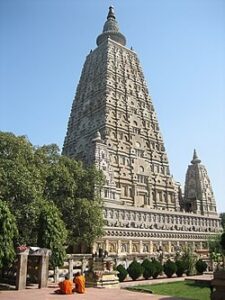
- Grand Temple: A 50-meter-high pyramidal shikhara (tower) with intricate engravings and arch motifs.
- Four smaller towers, each topped with an umbrella-like dome, surround the central temple.
- Sacred Bodhi Tree: Believed to be a direct descendant of the original tree under which Buddha attained Enlightenment.
- Vajrasana (Diamond Throne): A stone slab marking the exact spot where Buddha meditated.
- Temple Shrine: Houses a yellow sandstone statue of Buddha, encased in glass.
- The 4.8-hectare complex includes ancient shrines and modern Buddhist structures built by devotees.
Government Interventions
- The BTA, 1949, was passed to resolve ongoing disputes between Hindu and Buddhist religious heads.
- 2013 Amendment: The Bihar government amended the rule, allowing the ex-officio chairman (DM) to be from any faith.
- Early 1990s: Bihar CM Lalu Prasad Yadav drafted the Bodh Gaya Mahavihara Bill, aiming to transfer temple management to the Buddhist community.
However, it was never passed and remains in cold storage. The Bill prohibited Hindu idol immersions near the temple and Hindu marriages inside the premises.